
Blog
The Search For Inca Gold
Oct
By Rob Butterworth
Over the past few years, the global coffee market has seen dramatic shifts, but none quite as sudden as what we’ve witnessed recently. For roasters like us, these changes don’t just affect prices. They shape the way we source, roast, and ultimately share coffee with our customers.
At Butterworth & Son, we’ve always sought coffees grown sustainably, in environments that nurture both the plant and the people who grow it. One of our long-standing favourites, the Inca Gold, is a perfect example of that philosophy. To better understand the changes in supply and quality, I travelled to its source: Peru.
A Market Turned Upside Down
The coffee buying market has changed a lot since 2020, and this past year has seen the biggest changes yet. At the beginning of this year, the commodity price for coffee shot up to a record high. It wasn’t just the peak price that was surprising; it was the jump, more than double.
Harvests in Brazil, the biggest producer of Arabica coffee in the world, were lower than in previous years, while global demand for quality coffee continues to rise. Shortfalls in large contracts saw big exporters buying up coffee for record prices. Overnight, prices that were once considered “speciality” became the new normal for Commodity Coffee.
Intensive farming methods in Brazil have destroyed natural ecosystems and microclimates that help lock in moisture in the air and ground. Coupled with agrochemical spraying to stimulate the plants (which dries the soil out) and shifting climate patterns, it’s been a perfect storm for poor harvests.
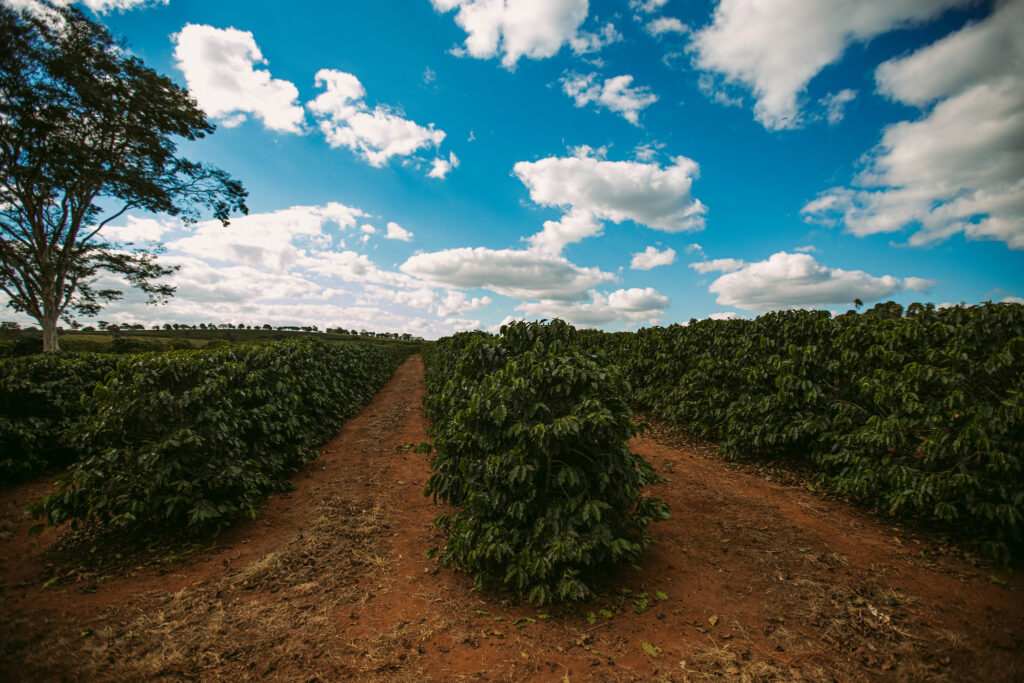
A typical Brazilian coffee farm with intensive farming methods
Butterworth and Son don’t purchase or use Brazilian coffee in our blends, preferring to only purchase coffee from jungle or forest regions where natural ecosystems and microclimates are preserved.
The impact of US tariffs on coffee-producing countries has also reshaped the market. Low- or tariff-free nations have seen a huge increase in demand as wholesalers shift their buying to maintain cost and supply. This, of course, pushes up prices even further.
On The Ground in Peru
To really understand the situation and ensure Butterworth’s future supply, I visited Peru.
We have been buying Peruvian coffee since 2011. The sustainable growing methods found throughout the country – with most farms located in jungle environments and managed entirely by hand – produce beans with smooth chocolate notes and balanced acidity, unmatched by other origins.
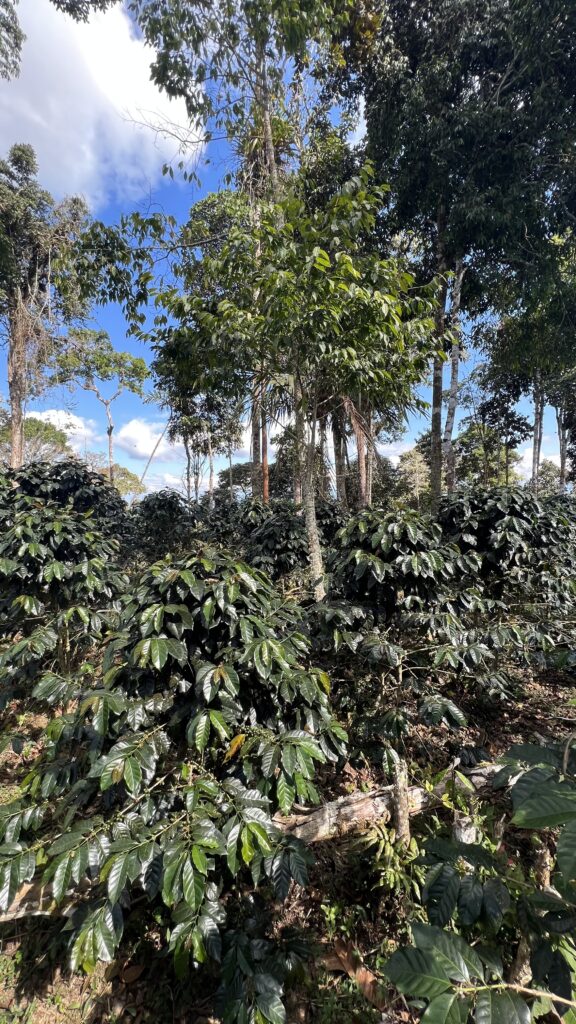 Forest-grown coffee plantations in Peru
The trip took me to Iquitos on the edge of the Amazon, Junin in the Central Highlands and Cusco in the South.
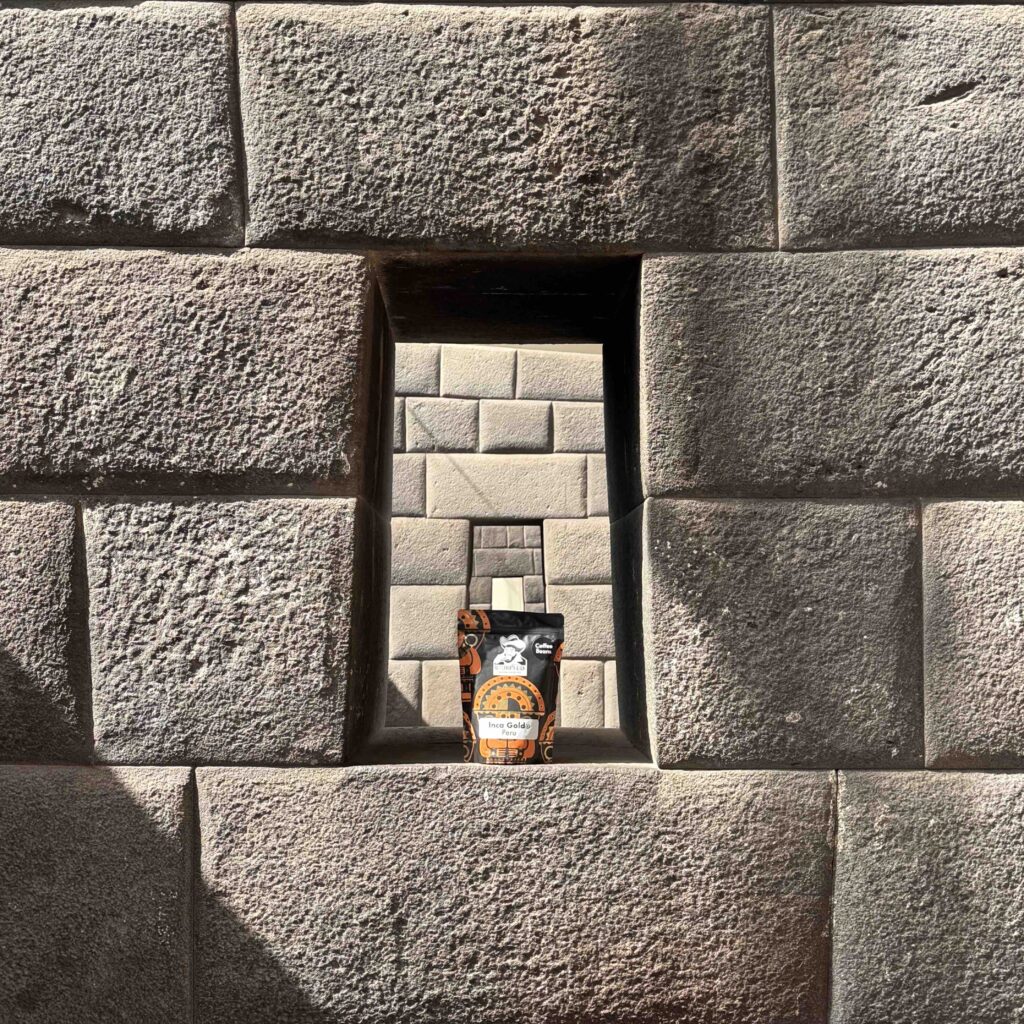
Cusco is an ancient city of the Incas, situated 3,500 metres above sea level and known as the gateway to the Sacred Valley of the Incas. In this city stands the remains of the once-great Temple of the Sun. Most of the Temple was destroyed by the Spanish conquerors, but a few walls remain, showing off the mastery of Inca stonework.
Cusco, being a tourist destination, is full of wonderful shops and restaurants. It also boasts one of the Top 25 cafes in the world: Three Monkeys. I visited the cafe on a Sunday; it was full and there was a queue out the door for takeaway coffees.
Three Monkeys presented coffee like a good wine bar. The menu listed the producers it bought coffee from, the tasting notes for each coffee and offered 3 different coffees in multiple formats – espresso, espresso with milk drinks (lattes, cappuccinos and flat whites, etc.) and filter.
Peru is generally inexpensive for visitors exchanging money from pounds, euros & dollars, but here a latte was 14-20 soles, about £3 – £4.40 depending on the coffee selected. For a country where an equivalent £35 UK meal would be less than £15, this was very surprising. There was little to no food on offer in the cafe, maybe 3 types of pastry.
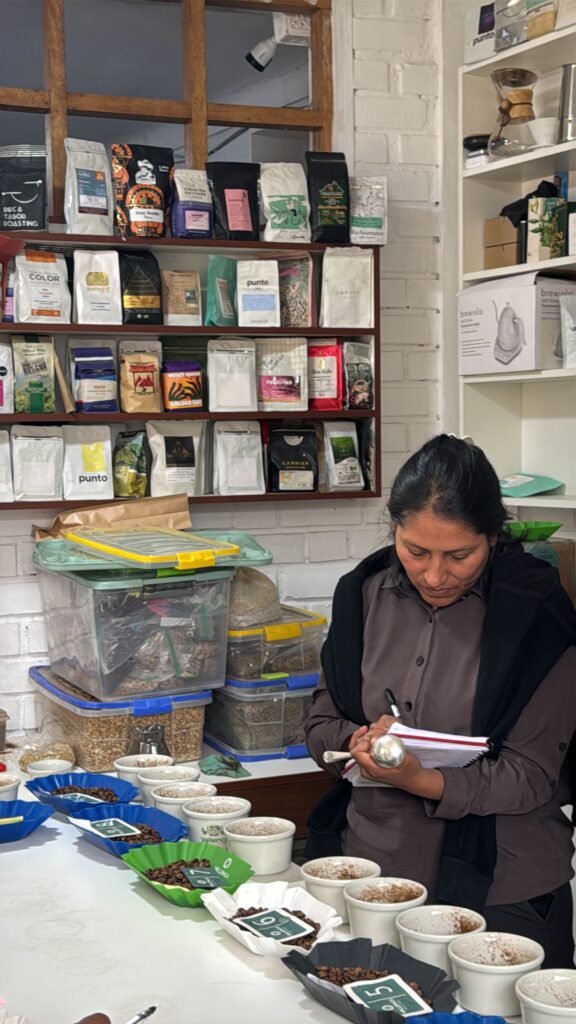
The Inca Gold at a cupping lab in Sacred Valley, Peru
The next day, I went into the Sacred Valley of the Incas to a coffee lab, where I cupped coffees for purchase. What I discovered was that coffee quality this year was excellent, in line with what we would taste from a good year of harvesting. Prices, however, were double last year.
Competing With the Producers
Alongside global demand and tariff pressures, another factor is shaping the market: the booming domestic coffee scene in producing countries. Economies are growing fast, and the interest in quality coffee from tourists and the growing middle class is driving the demand at home. This is something I had noticed in Mexico at the start of last year.
It turns out that we, the UK, are now competing with producing countries for their own coffee. Coffee producers may favour the local market as they are paid cash immediately for their crops rather than having to wait up to three months for payments from importers. And those local buyers can now afford to pay export-level prices.
Three Monkeys is just one example of this trend: cafes showcasing the very best of Peru’s coffee and charging appropriately. If this continues, then foreign markets like the UK will have to pay much more to access the same quality coffee. Otherwise, we risk being left with only the lower-grade coffee that producing countries once kept for their domestic markets.